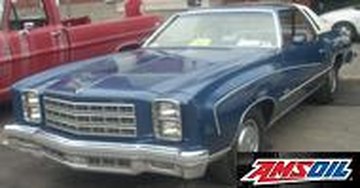
Maintaining Lubrication Standards for the 1982 Chevrolet IMPALA 3.8L
Proper engine maintenance is a cornerstone of long-term vehicle health, particularly when managing an engine that has been in operation for several decades. For the 1982 Chevrolet IMPALA equipped with a 3.8L engine, consistent attention to lubrication and routine inspections can help ensure the mechanical components continue to operate as intended.Monitoring Fluid Integrity and Potential Seepage
A primary aspect of maintaining an older vehicle involves regular visual assessments of the engine compartment. Rather than waiting for a significant event, owners should periodically check for signs of fluid movement that might indicate aging components. When inspecting the engine area, look for any evidence of seepage around various gaskets and seals. Over time, the materials used in sealing surfaces can lose their ability to maintain a tight bond due to heat cycles and age. If you notice dark, oily residue or wet spots on the engine block or near connection points, it warrants closer investigation. It is also useful to monitor the condition of any visible hoses or electrical connections. While these are not directly part of the lubrication system, their condition often reflects the overall environment of the engine bay. For example, brittle or cracked hoses can sometimes be associated with excessive heat, which may also affect the longevity of other components.Observing Changes in Engine Operation
Maintaining a 1982 Chevrolet IMPALA requires an observant approach to how the vehicle behaves during and after operation. While many mechanical issues can have multiple underlying causes, certain changes in behavior should prompt a thorough inspection. If you notice unusual mechanical noises that were not previously present, this could be related to various internal or external components. Similarly, any unexpected changes in how the engine responds to throttle input or idling should be noted. Another important area of observation is the exhaust. While different engines produce different characteristics, any sudden change in the appearance of exhaust gases can be a reason to investigate the combustion process and lubrication levels. Furthermore, if you notice an unusual odor during operation, it may indicate that fluid is contacting a hot surface. Because symptoms do not always point to a single specific failure, they should be treated as indicators that a professional diagnostic check or a more detailed personal inspection is necessary.Prioritizing Maintenance Based on Current Condition
For owners of a 1982 Chevrolet IMPALA, effective maintenance is often about distinguishing between what is urgent and what is merely preventative. Rather than following a rigid schedule based solely on the age of the vehicle, it is more practical to prioritize tasks based on the actual current state of the engine and its components. If you do not have a complete service history for the 3.8L engine, establishing a maintenance baseline is an excellent first step. This involves performing a comprehensive inspection of all fluids, filters, and visible mechanical parts to understand the vehicle's starting point. Once this baseline is established, you can better track changes over time. When deciding where to focus your efforts, address any active signs of concern—such as minor leaks or unusual noises—before moving on to general preventive tasks. Keeping a detailed log of when fluids are changed, which filters are installed, and what observations are made during inspections will provide invaluable data for making informed decisions about future repairs or service needs.The Role of Clean Lubrication in Engine Longevity
Engine oil performs several vital roles that go beyond simple lubrication. It acts as a medium for heat management, helping to carry thermal energy away from high-friction areas within the engine. Additionally, modern oil formulations are designed to manage contaminants and prevent the buildup of deposits that can interfere with mechanical movement. Maintaining clean oil is essential because even small amounts of debris or oxidation can change the fluid's properties over time. For an older 3.8L engine, ensuring that the lubricant remains within its effective operating parameters helps maintain a consistent environment for all moving parts. This includes protecting against the buildup of sludge, which can occur if the oil is allowed to stay in the engine too long or if it is subjected to extreme thermal stress.Practical Steps for Long-Term Ownership
Successful long-term ownership of a classic vehicle like this Chevrolet IMPALA involves a shift from reactive repairs to proactive monitoring. This means being aware of how the vehicle's needs might evolve as it continues to age. One effective strategy is to monitor fluid consumption. If you find that you are needing to add oil more frequently than in previous months, this change in consumption pattern should be investigated. It does not necessarily mean a major failure has occurred, but it is a clear signal that the engine's lubrication requirements or physical condition have changed. Additionally, when performing routine service, take the opportunity to inspect age-sensitive components. If equipped, check accessible drive belts for signs of glazing, fraying, or cracking. Inspecting these parts during an oil change ensures that you are not overlooking a component that could lead to a secondary issue later on.Guidance for Buying Engine Oil for your 1982 Chevrolet IMPALA 3.8L
When it is time to replenish your engine's lubricant, the most important step is to ensure the product matches the specific requirements of your application. Because different engines and different years of production may have different needs, you should never rely on general assumptions about what an older vehicle requires. To select the correct product, match the engine oil to the application-specific viscosity information already displayed on this page. It is also beneficial to consider the type of formulation that best suits your current maintenance strategy. For instance:- Conventional oils are a standard choice for many applications.
- Synthetic blends offer a combination of different base oils.
- Full synthetic oils provide advanced thermal stability and resistance to oxidation.
- High-mileage formulations may contain additives intended for use in aging engines, including seal-conditioning additives.